The Rise of Natural-Looking Facial Rejuvenation
Embracing Subtle Beauty vs. the “Overdone Look”
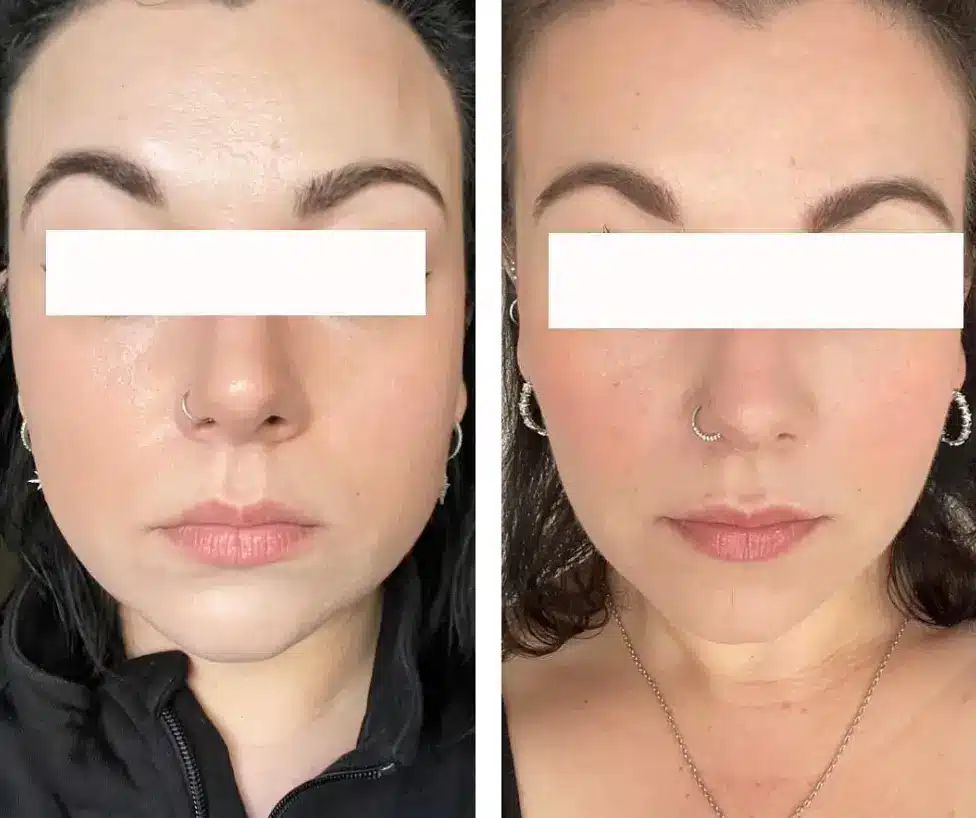
In recent years, the plastic surgery and cosmetic treatment worlds have seen a dramatic shift in patient preferences and practitioner philosophies. Gone are the days when people admired the noticeably sculpted cheeks, plumped lips, and airbrushed skin that represented the so-called “overdone look.”
Today, both facial plastic surgery and non-surgical cosmetic treatments are trending toward realistic, natural-looking facial rejuvenation—a movement that celebrates subtlety, authenticity, and the augmentation of one’s unique features.
The Evolution of Today’s Cosmetic Trends
For much of the late 20th and early 21st centuries, Hollywood and social media set beauty standards that were often unattainable without major intervention. The prior hallmarks of “beauty” led many to desire dramatic transformations.
- High-arched brows
- Puffy, exaggerated lips
- Flawlessly smooth skin
As aesthetic medicine and cosmetology have advanced, so has our appreciation of facial harmony and the value of individual uniqueness. The rise of influencers who champion self-acceptance, coupled with a cultural backlash against obviously altered appearances, triggered a new era.
Today, the most sought-after improvements are those which whisper rather than shout, turning the focus to refreshed, rested, and naturally youthful faces.
What Does “Natural-Looking” Mean?
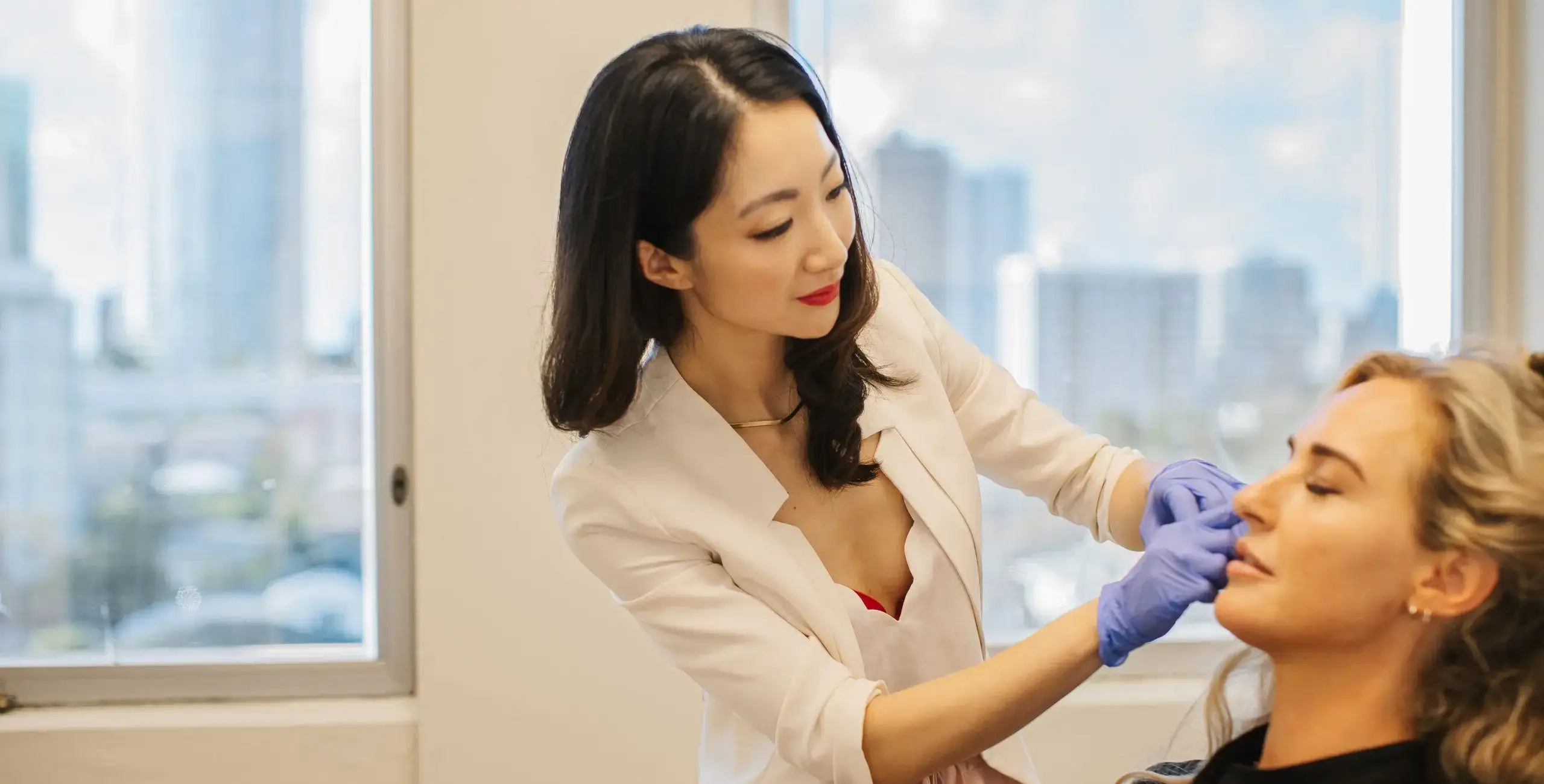
At Hawaii Facial Plastic Surgery, our founder and medical director, Susan Tan, MD, is an outspoken proponent of natural-looking facial rejuvenation. It involves procedures—surgical and non-surgical—that improve appearance without giving obvious signs of intervention. This approach concentrates on:
- Proportion and Symmetry: Enhancing features so they complement the existing facial structure.
- Subtlety and Restraint: Using techniques that avoid overcorrection, leaving room for natural movement and expression.
- Longevity: Focusing on treatments that age gracefully, lessening the requirement for frequent maintenance or drastic revisions.
Facial Plastic Surgery: Less is More
The most sought-after and influential plastic surgeons are increasingly recommending more advanced, less invasive surgical techniques. Facelifts, for example, have evolved from tight, stretched results to innovative procedures like the deep-plane technique, which lifts and repositions tissue with finesse.
Cosmetic surgeons today often preserve volume rather than removing it entirely, recognizing that a youthful face is defined by softness, not skin tautness alone.
Other surgical options, such as neck lifts, eyelid surgery (blepharoplasty), and nose surgery (rhinoplasty), are also performed to complement the patient’s natural facial anatomy. The best surgical work is often invisible—a refreshed appearance that prompts compliments like “You look great!” instead of “Have you had work done?”
Today’s Boom in Non-Surgical Options
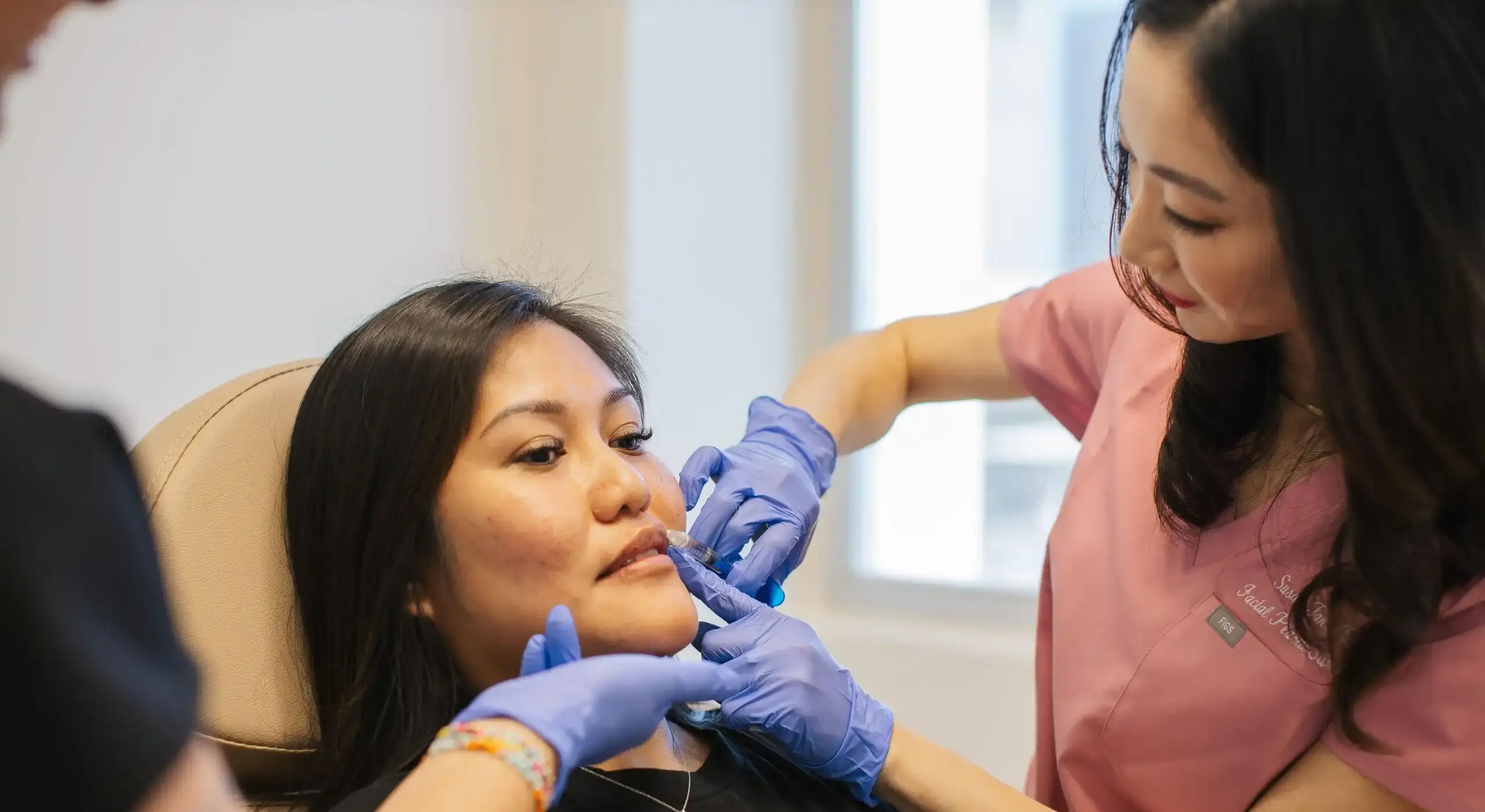
Today, it’s possible to address issues such as volume loss, fine lines, and uneven skin tone without surgery. The key to natural outcomes lies in conservative application.
- Dermal fillers: Small amounts of filler to restore youthful contours, rather than dramatically altering shapes.
- Neuromodulators (like Botox®): Skillful placement of Botox can soften lines without freezing expression.
- Skin resurfacing technologies (like Morpheus8): Radiofrequency (RF), microneedling, and laser treatments help rejuvenate skin texture and color without the overly polished look that can occur with over-treatment.
Non-surgical cosmetic treatments have exploded in popularity, offering minimal downtime and results that can be tailored precisely.
What Caused the Change in Preferences?
The movement toward natural-looking plastic surgery and non-surgical cosmetic treatments is more than a short-lived trend—it’s connected to wider cultural changes. Consumers are more aware and thoughtful, seeking treatments that correspond with their values and personal identities.
An avalanche of “before and after” photos routinely posted online showcase beautiful results and undetectable changes, along with candid patient testimonials. They have destigmatized cosmetic procedures while raising the bar for what is considered desirable.
Also, the global conversation about mental health and self-esteem has encouraged people to view cosmetic procedures as a means of self-care, not transformation. The happiest outcomes are those that help people feel like the best version of themselves—not someone else entirely.
Why Choosing the Right Provider Matters
Achieving a natural look through surgical or cosmetic procedures requires a partnership with a skilled, ethical provider. Look for doctors and cosmetologists who:
- Understand facial anatomy and have experience.
- Listen carefully to your goals and concerns.
- Offer a full consultation, including discussion of risks and realistic outcomes.
- Can show you images of their subtle, well-executed results.
- Put your comfort and well-being first.
The Natural Look Brings Out Your Beauty
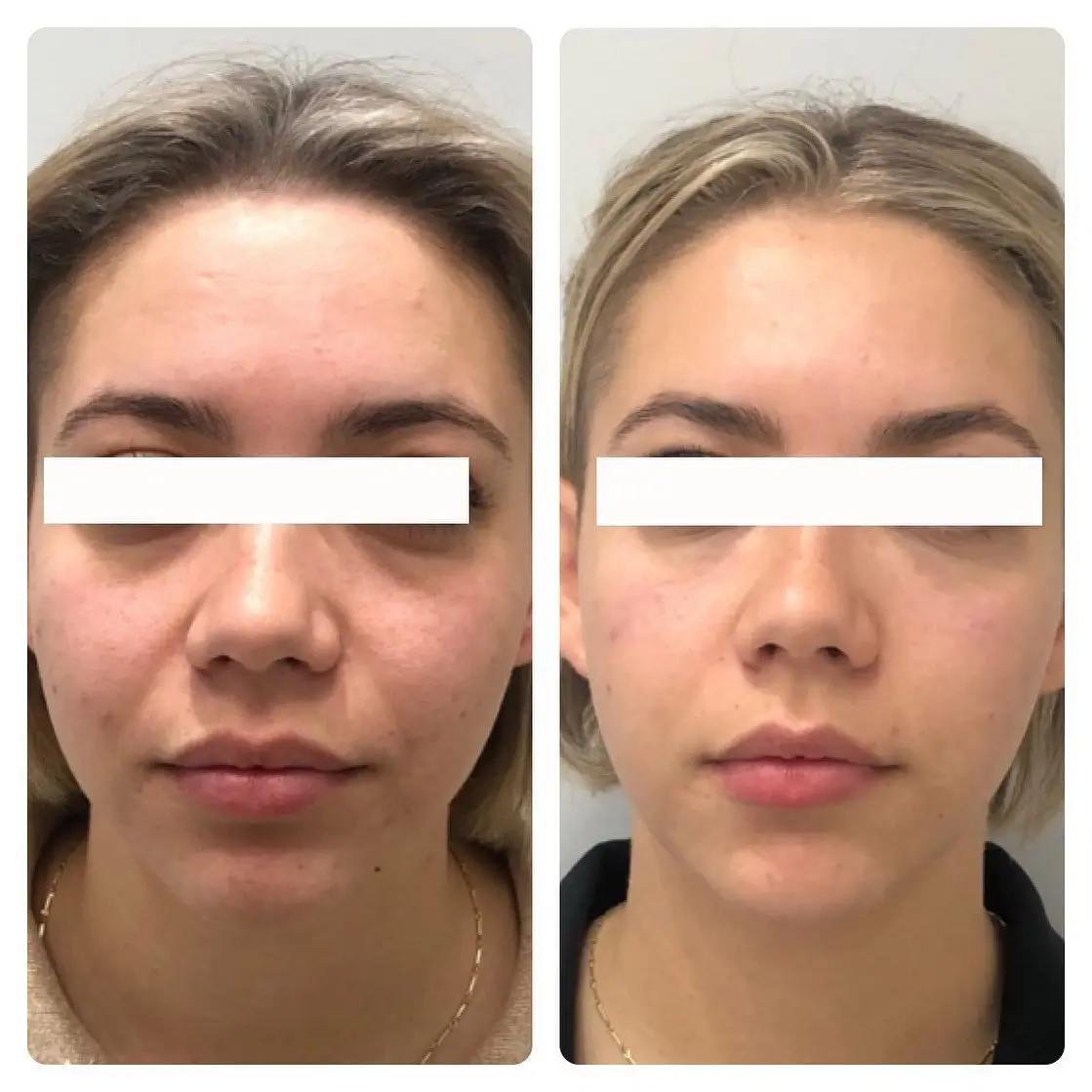
Whether your goals are best met by facial plastic surgery or non-surgical cosmetic treatments, today’s trends favor more subtle, natural-looking results that bring out your unique beauty. The “overdone look” is more a thing of the past, and the era of natural-looking facial rejuvenation is here to stay.
Today’s vision of beauty enables you to celebrate your individual beauty while enjoying the benefits of modern cosmetic medicine and its non-surgical alternatives.
Frequently Asked Questions
Q.1 What should I ask during my consultation?
A.Inquire about the provider’s experience with natural results, request to see before-and-after photos, and discuss what “natural” means to you. Be upfront about your goals, and listen for a provider who leads you to realistic expectations.
Q.2. Are non-surgical treatments effective?
A.2. Yes, when performed by a doctor or other skilled practitioner, non-surgical treatments may produce excellent results. They may subtly enhance features and refresh your appearance, often with little to no downtime.
Q.3. How do I avoid looking “overdone”?
A.3. Try conservative treatments first, and seek professionals who are known for subtle, natural-looking results. Remember, sometimes less is more.
Q.4. Is it possible to reverse or correct an “overdone” look?
A.4. In many cases, yes. For example, dermal fillers can often be dissolved, and some surgical outcomes can be revised. Consult with a board-certified facial plastic surgeon with a strong grasp of facial anatomy and experience in revision procedures.