
Natural-Looking and Longer-Lasting Than Dermal Fillers
Facial rejuvenation is a much-requested service from plastic surgeons, and advances in fat grafting are improving the ability to restore youthful contours, enhance skin quality, and correct volume loss. New procedures using microfat and nanofat are among today’s newest and best options.
- Natural Look and Feel: Fat is soft, providing a natural appearance and texture.
- Long-Lasting Results: Unlike dermal fillers, fat grafting can offer results that last for years.
- Double Advantage: The donor area is reduced, and the face is volumized.
- Improved Skin Quality: Particularly with nanofat, enhancements in skin texture and coloration have been observed due to the regenerative properties of fat-derived stem cells.
At Hawaii Facial Plastic Surgery, our Founder and Medical Director, Susan Tan, MD, specializes in these state-of-the-art techniques to help our patients achieve natural, long-lasting, and beautiful results.
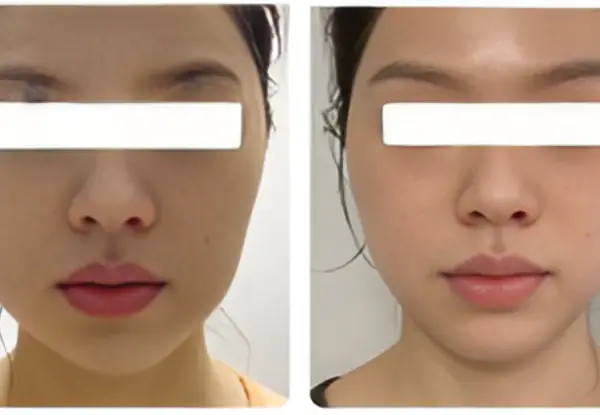
How Does Facial Fat Grafting Work?
Facial fat grafting, also known as autologous fat transfer or lipofilling, is a cosmetic surgical procedure that involves harvesting fat from one area of the body by liposuction (typically from the abdomen, love-handle area, or thighs), processing it, and transferring it to the face.
The goal is to restore lost volume, improve facial contours, and rejuvenate the skin. Because the fat comes from your own body, the risk of allergic reaction or rejection is minimized.
The Newest Developments: Microfat & Nanofat
As fat grafting techniques have improved, two advanced forms have been developed: microfat and nanofat. They are evolutions of earlier techniques that allow for more precise, customized treatments to meet your aesthetic goals.
Microfat Grafting
Microfat is fat that has been purified and processed into tiny parcels. It is ideal for adding volume to areas that require subtle enhancement that lasts longer than dermal fillers, such as:
- Cheeks
- Temples
- Nasolabial folds (smile lines)
- Jawline
Microfat is injected using small cannulas, permitting precise placement for natural facial contours. The technique can correct deep lines, fill hollows, and restore youthful fullness.
Nanofat Grafting
Nanofat takes fat processing a step further. The harvested fat is emulsified and filtered to break it down into a finer solution that is rich in regenerative cells but contains very few intact fat cells. Nanofat is not a volumizer; instead, it is injected into the skin for other benefits:
- Improved skin texture
- Reduction in fine lines and wrinkles
- Enhanced skin tone plus radiance
- Diminished appearance of scars
Nanofat is also helpful in delicate areas such as the lower eyelids, the perioral (mouth) region, and even scars or areas of sun damage.
The Facial Fat Grafting Procedure
Consultation & Assessment
A consultation begins the treatment process in which Dr. Tan assesses your facial anatomy, discusses your goals, and creates a customized treatment plan. We will also evaluate potential donor sites for fat harvesting.
Harvesting with Liposuction
Fat is gently removed from an area with excess deposits (such as the abdomen or thighs) using minimally invasive liposuction techniques. Liposuction is performed under local anesthesia, sedation, or general anesthesia, depending on the extent of the procedure.
Processing
The collected fat is purified and processed. For microfat, the fat is filtered and washed to remove impurities. For nanofat, the fat is further emulsified and filtered to obtain a fine, smooth solution rich in regenerative cells.
Injection
Via specialized microcannulas, the processed fat is strategically injected into targeted areas of the face or neck. Microfat is used for deep or structural volumizing, while nanofat is injected superficially for skin rejuvenation.
Recovery
Facial fat grafting is typically an outpatient procedure. Patients may experience mild swelling or bruising, which generally subsides within 1–2 weeks. Most people return to normal activities within several days.
Safety and Risks
Facial fat grafting has an excellent safety profile when performed by an experienced facial plastic surgeon like Dr. Tan. She is double board-certified, experienced, and an expert in natural-looking facial aesthetics.
As with any surgical procedure, the possible risks include swelling, bruising, asymmetry, infection, or cyst formation. Choosing a board-certified specialist reduces these risks and assures better results.
Ready to Look and Feel Better?
Facial fat grafting with microfat and nanofat is a powerful, natural approach to facial rejuvenation.
If you are interested in learning more or scheduling a consultation, contact our Hawaii Facial Plastic Surgery office today. We are prepared to assist you in achieving your most confident, youthful self.
Q&A: Answers to Your Questions
How long do results from facial fat grafting last?
Results are long-lasting, with many patients enjoying improvements for several years. Some fat will be reabsorbed, but the remaining fat is generally permanent.
Is facial fat grafting a good choice?
It can provide natural-looking volume restoration and contouring, using your own tissue. Consultation with a qualified surgeon is essential.
Are there downsides?
You may need repeat procedures, and there can be temporary swelling, bruising, infection risk, uneven or unpredictable fat survival, lumps, or asymmetry. But your provider’s expertise lessens these.
Which is safer, grafting or dermal fillers?
Both fat grafting and dermal fillers are generally safe when performed by qualified professionals, but fat grafting uses your own tissue, reducing allergy risks, while fillers have quicker recovery and reversible results.
Can it be combined with other procedures?
Yes, it is often performed alongside facelifts, eyelid surgery, or laser treatments for complete rejuvenation.
How do I know if I’m a candidate?
The best way is to schedule a consultation with a board-certified facial plastic surgeon like Dr. Tan, who can evaluate your needs and goals.