
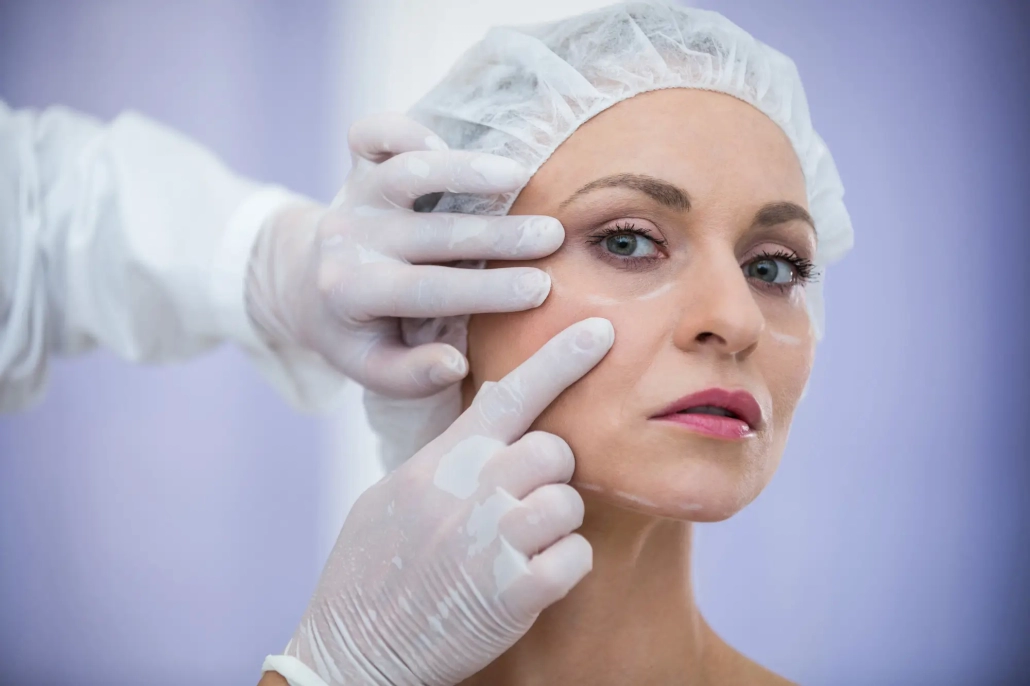
What Patients Over 50 Should Know Before a Facelift
How to Thoughtfully Weigh the Options Before Deciding
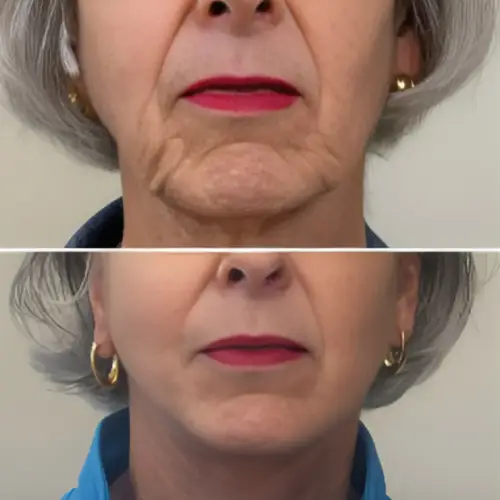
Aging is inevitable for all of us, but for some people, the telltale signs that come with it can affect self-confidence. Facelifts, also known as rhytidectomies, have become a popular solution for people seeking to renew their appearance and address:
- Sagging skin
- Deep wrinkles
- Loss of facial volume
If you’re over 50 and considering a facelift, it’s important to learn more about your options. This article will walk you through many of the things you need to know before deciding what’s right for you.
How It Works: The Facelift Procedure
Most people have a general understanding of what a facelift accomplishes, but learning more about the procedure itself is helpful.
Facelifts are surgical procedures that reduce visible signs of aging in the face and neck. When you have one, a plastic surgeon removes excess skin, tightens the underlying tissue, and repositions your facial contours.
The result is a more youthful look, but the trick is to produce natural-looking results that avoid looking like you’ve “had work done.” Modern techniques have advanced considerably, offering more natural results with less downtime than ever before.
The 4 Types of Face and Neck Lifts
Your surgeon will recommend the best technique based on your anatomy, goals, and medical history.
- Traditional/SMAS Facelift: The traditional surgical approach to improve sagging in the lower face and neck; it lifts deeper tissue layers for longer-lasting results
- Deep Plane Facelift: A specialized and more advanced procedure that moves underlying muscles and tissue as a single unit, repositioning them for natural and dramatic results
- Mini Facelift: A less invasive option for those who want to gently improve the lower face and jawline, with a shorter recovery time
- Neck Lift: Many older people who undergo facelifts are also candidates for a neck lift; it improves the neck’s contours to complement a facelift
Are You a Good Candidate?
Many people over 50 can gain substantially from improving their appearance with a facelift that reverses age-related changes such as sagging and wrinkles.
Ideal candidates:
- Are in good health generally
- Are realistic and have clear goals
- Have noticeable skin laxity or sagging
- Will follow recovery and aftercare instructions
- Do not smoke or are willing to quit
A thorough consultation with a board-certified facial plastic surgeon is the crucial first step in assessing your suitability for a face and neck lift.
Health Factors for Patients Over 50
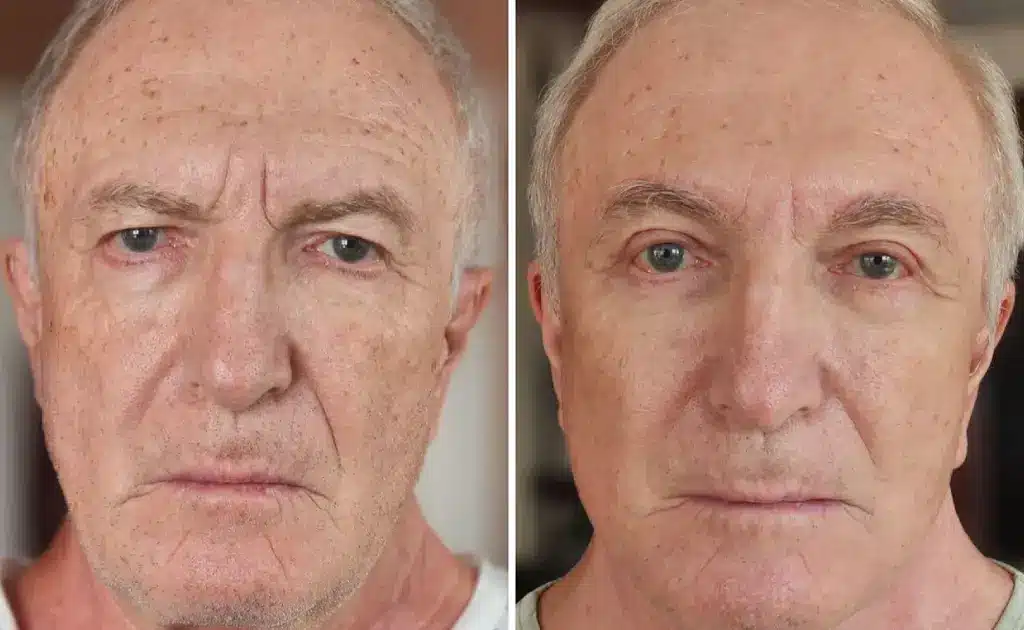
Age itself is not a barrier to elective plastic surgery, but being in good general health is a essential factor. Before scheduling a facelift, you will need:
- A pre-surgery physical examination
- A thorough review of medications and supplements
- Blood tests or cardiac screening if indicated
For your safety, you must disclose all preexisting medical conditions to your surgeon. Chronic conditions such as diabetes, high blood pressure, or heart disease call for careful management before and after surgery.
Being Realistic About the Results
While a face or neck can provide dramatic improvements, it won’t stop the aging process or make you look 20 again.
The goal is to look refreshed, not unrecognizable. Discuss your expectations openly with your surgeon, and review before-and-after photos of past patients to gauge likely outcomes.
The Recovery Process
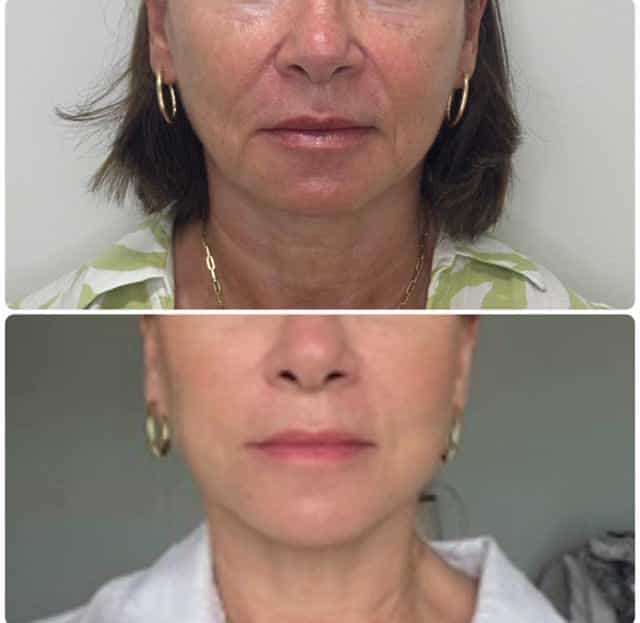
Recovery from a facelift varies by person and the method selected, but you generally can expect:
- Swelling and bruising for 1-2 weeks
- Mild discomfort, managed with doctor-prescribed and over-the-counter medications
- Taking at least two weeks off from work and social activities
- Refraining from strenuous exercise for 4-6 weeks
Most patients feel comfortable returning to regular life activities within 3-4 weeks. Carefully following your surgeon’s aftercare instructions is vital for optimal healing and results.
Risks and Complications
Facelifts are generally safe when performed by board-certified facial plastic surgeons, but all surgeries carry risks. Potential complications include:
- Infection
- Bleeding or hematoma
- Scarring
- Nerve injury (usually temporary)
- Unsatisfactory results or asymmetry
Choosing an experienced plastic surgeon considerably reduces these risks.
Non-Surgical Facelift Alternatives
Often, people over 50 have skin laxity and sagging to an extent that a surgical facelift is an excellent option. However, some may have milder age-related changes and can benefit from non-surgical treatments. They can be used in place of, or in combination with, a facelift. Options include:
- Dermal fillers
- Botox® Injections
- Laser skin resurfacing
- Microneedling
Non-surgical cosmetic treatments successfully treat fine lines, volume loss, and skin texture but won’t produce the lifting effect of surgery. Meeting with a surgeon can help determine the best approach to achieve your goals.
Preparing for Your Facelift
Each cosmetic surgeon will provide specific pre-surgery instructions. Examples of the tips most patents receive include:
- Quit smoking at least a month before surgery
- Stop blood-thinning medications under a physician’s guidance
- Arrange for pick-up after surgery and have someone with you overnight
- Prepare a comfortable recovery area at home
How Long Do the Results Last?
A well-performed facelift can last 10 years or more, but natural aging will continue. Keeping a healthy lifestyle, using sun protection, and following a good skincare regimen can extend your results.
Facelifts After Age 50
Deciding to have a facelift is a significant, rewarding step for many people over 50 who wish to look as young as they feel. By understanding the procedure, preparing carefully, and choosing the right facial plastic surgeon, you can approach your facelift with confidence and enjoy results that meet your goals.
Frequently Asked Questions
Q.1 How old is too old for a facelift?
A.1 Age alone does not disqualify you. If you’re in good health and have realistic expectations, you can be a candidate in your 50s, 60s, or 70s.
Q.2. How long will my facelift last?
A.2. The desired effects of a face or neck lift can last 8-12 years. Your genes, skin quality, and lifestyle choices are all factors.
Q.3. Will my face look unnatural or “overdone”?
A.3. Today’s face and neck lift techniques produce natural results. Choose an experienced, board-certified surgeon who understands your goals.
Q.4. What is the scarring like?
A.4. Plastic surgeons usually hide incisions along your hairline and around the ears. Most scars will fade and become invisible to most people.
Q.5. What about anesthesia risks?
A.5. Facelifts are performed under general or local anesthesia with sedation. Your surgeon and anesthesiologist will thoroughly evaluate you beforehand to decrease risks.
Q.6. Can I combine a facelift with other procedures?
A.6. Yes, many patients combine facelifts with eyelid surgery, brow lifts, or non-surgical treatments for full rejuvenation.