
Tech Neck vs. Turkey Neck
Why Your Phone (and the Hawaii Heat) Might Be Aging You
Are you reading this on your phone right now?
If so, you are likely tilting your head forward at a 45-degree angle. This posture places up to 60 pounds of force on your cervical spine. Over time, this repetitive folding of the skin etches deep horizontal lines across your neck—a phenomenon now widely known as “Tech Neck.”
But not all neck aging is caused by your iPhone. For many patients in Honolulu, the issue isn’t just lines. It’s the structural sagging, loose skin, and vertical bands often called “Turkey Neck.”
At Hawaii Facial Plastic Surgery, Dr. Susan Tan sees patients every day who aren’t sure if they need a lifestyle change, a laser treatment, or plastic surgery. The answer depends on your unique anatomy, your lifestyle in the islands, and the specific structural support your neck requires.
Here is your ultimate guide to diagnosing your neck concerns and navigating rejuvenation in Hawaii.
The Diagnosis: Is it “Tech Neck” or “Turkey Neck”?
While they both make us reach for high-collared shirts, these two conditions are biologically different and require different solutions.
1. Tech Neck: The Horizontal Crease
- What it looks like: Deep horizontal lines that look like a necklace etched into your skin.
- The Cause: Repetitive motion. Just as smiling causes crow’s feet, constantly looking down at devices creates dynamic wrinkles that eventually become static (permanent).
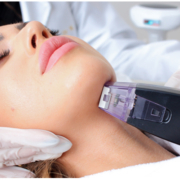
- The Solution: Morpheus8. Since this is primarily a texture and skin quality issue, we often don’t need surgery. Morpheus8 uses radiofrequency microneedling to penetrate deep into the dermis, remodeling collagen and tightening the skin texture to soften these lines.
2. Turkey Neck: The Structural Sag
- What it looks like: Loose, hanging skin under the chin (wattle), vertical bands of muscle, or a disappearing jawline.
- The Cause: Gravity, genetics, and the weakening of the platysma muscle.
- The Solution: The Deep Plane Neck Lift. No amount of laser treatment can remove inches of excess loose skin. This requires a surgical solution to restore the sharp right-angle of a youthful neck.
The Deep Plane Difference: Why Surface Lifts Don’t Last
If you have “Turkey Neck,” you might be tempted by “mini-lifts” or “skin-only” lifts advertised elsewhere. However, in Hawaii’s active environment, these shortcuts rarely hold up.
Dr. Tan specializes in Deep Plane Neck Lifting, a technique that goes beyond stretching the skin. By releasing the retaining ligaments and repositioning the muscle and fat as a single composite unit, the tension is placed on the deep structural fascia, not your delicate skin.
- Longevity: Results typically last 10–15 years, compared to 3–5 years for standard lifts.
- Naturalness: Because the skin isn’t being pulled tight against the muscle, you avoid that “wind-swept” or “pulled” look.
The Hawaii Factor: Customizing the Lift for Island Life
Living in paradise comes with unique challenges for plastic surgery. Dr. Tan customizes every neck lift to account for our climate, clothing, and diversity.
1. The “Aloha Shirt Test” for Men
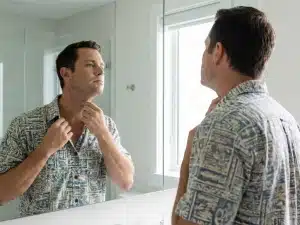 For our male patients, the standard facelift incision—often hidden in the hairline—doesn’t work. In Honolulu, business attire is oftentimes an open-collar Aloha shirt, which leaves the lower neck and clavicle exposed.
- The Strategy: Dr. Tan uses specialized incision placement for men, keeping the posterior incision higher or strictly within the hairline to ensure scars remain invisible even when you’re dressed for a boardroom meeting in Kakaʻako.
- Preserving Masculinity: Men have thicker skin and heavier muscles. We focus on defining a strong, angular jawline (a “power look”) rather than the softer, tapered look preferred for women.
2. The Asian Neck Lift: Managing Scarring and Volume
For our Asian and Pacific Islander patients, the concern is often two-fold: fear of keloids and fear of looking “Westernized.”
- Keloid Prevention: Asian skin has a higher collagen density, which can increase the risk of hypertrophic scarring (keloids) if the skin is placed under tension. Dr. Tan’s Deep Plane technique is the best preventative measure because it ensures a tension-free closure—the skin is draped gently, with all the lifting work done internally.
- Volume vs. Wrinkles: Asian aging often involves the descent of heavy fat pads rather than fine wrinkles. We often combine the lift with submental treatments to debulk heaviness while preserving your natural ethnic identity.
3. Healing in the Heat: Mastering the Humidity
One of the most common questions we hear is, “Can I recover safely in 80% humidity?”
The answer is yes, but it requires specific protocols. High humidity can lead to maceration, where moisture gets trapped in incision folds, softening the skin and slowing healing.
- Our Protocol: We guide you on keeping incisions dry using cool-air hair dryers after showers and recommend staying in air-conditioning for the first 7–10 days to minimize sweating.
- Sun Smarts: New scars are highly susceptible to darkening (hyperpigmentation) under Hawaii’s intense UV index. We will guide you on exactly when to start using silicone scar sheets and mineral sunscreens to ensure your incisions fade to an invisible thin line.
Ready to Look Up with Confidence?
Whether you are battling the tech-induced lines of the digital age or the structural changes of gravity, the solution isn’t one-size-fits-all. It requires a strategy that respects your anatomy and your island lifestyle.
Why Now is the Best Time for Your Transformation
While Hawaii enjoys beautiful weather year-round, the subtle shift in our climate at the end of the year offers a distinct advantage for facial plastic surgery. Smart patients often choose this specific window for neck rejuvenation for three strategic reasons:
1. The “Cooler” Climate Advantage
Even a few degrees make a medical difference. Hawaii’s current dip in temperature creates an optimal physiological environment for healing. Lower ambient heat translates to less vasodilation, which can significantly reduce post-operative swelling and bruising. Furthermore, the lower humidity levels during this season reduce the risk of moisture buildup (maceration) in healing incisions, making your recovery period far more comfortable.
2. Reduced UV Intensity
Protecting fresh incisions from the sun is critical to preventing scars from turning dark or pigmented. With the sun at a lower angle and the UV index slightly reduced compared to peak summer months, it is significantly easier to manage your sun exposure right now. This natural “UV break” allows your scars to mature safely, fading to invisible lines before the sun intensity ramps back up.
3. The Ultimate New Year Reset
We often spend December giving to others, but choosing to invest in your own confidence is a powerful way to close the chapter on this year. By utilizing the natural downtime of the holiday season, you can recover discreetly at home without feeling like you are missing out on major events. Instead of making a resolution to “look better” next year, you can start the year with the structural changes that actually deliver on that promise.
Don’t Let Another Year Go By Looking Down
 The neck is one of the first places to show age, but it is also one of the most rewarding to treat. Whether you need the collagen-boosting power of a Morpheus8 treatment to smooth out “Tech Neck” lines or the structural definition of Dr. Tan’s signature Deep Plane Neck Lifts to correct “Turkey Neck,” the first step is a conversation.
Appointments for the New Year are filling rapidly. Contact Hawaii Facial Plastic Surgery today to secure your consultation with Dr. Susan Tan.
Let’s ensure that when you look up from your phone in the coming year, you love what you see in the mirror.