
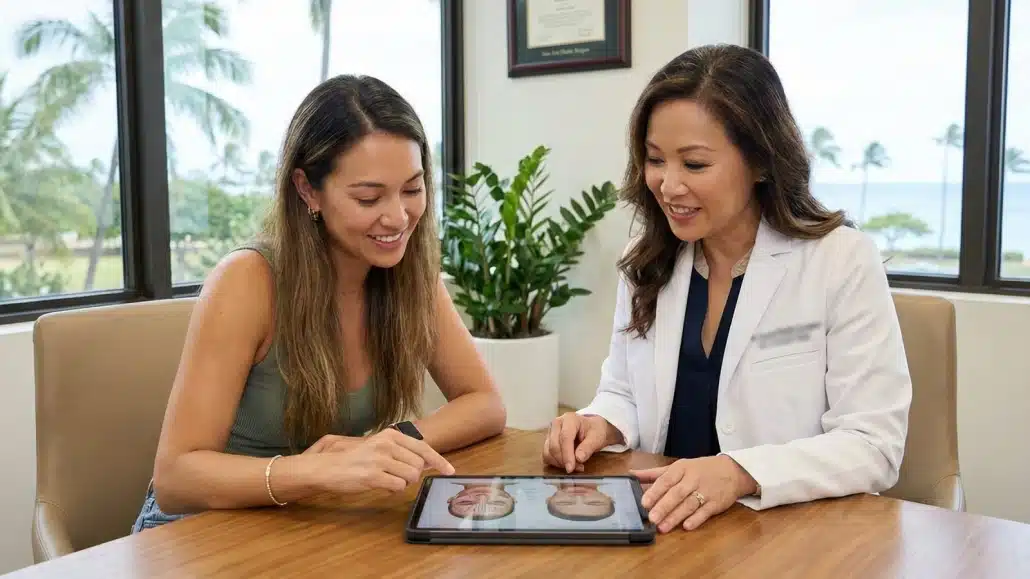
Female Facial Plastic Surgeons | Why Women Choose Them
Representation Matters, But It’s About More
 There’s a shift underway in the field of facial plastic surgery, and it’s about more women choosing female facial plastic surgeons. While each woman’s choice is unique to her, it reflects broader changes in the medical profession, societal attitudes, and the importance of representation.
- Easier time discussing sensitive issues
- Feeling more understood on a medical and personal level
- Preferring a more patient-centered approach
- Emphasis on natural-looking results
- Appreciation of representation and role models
In this article, we’ll discuss this movement and how it may affect the future of facial plastic surgery.
More Women are Becoming Facial Plastic Surgeons
In the past 10 years, the number of female plastic surgeons has increased steadily. While plastic surgery as a profession is still male-dominated, women are increasing their numbers both as practitioners and as patients, making choices.
The current data shows more than 90% of cosmetic surgery patients are women—yet historically, the majority of surgeons have been men. But the recent rise in the number of female plastic surgeons is beginning to level things out.
Why Do Women Choose Female Surgeons?
Both anecdotal evidence and survey findings indicate several factors are driving the trend: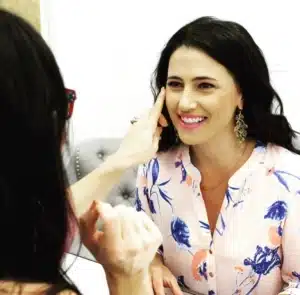
- Comfort and Understanding: Many women feel more at ease discussing personal appearance goals with other female surgeons, who may better understand their motivations and anxieties.
- Openness and Communication: Studies suggest women surgeons may spend more time listening and engaging in collaborative decision-making. It can foster trust.
- Shared Experiences: Female facial plastic surgeons may have first-hand understanding of societal pressures regarding appearance, aging, and beauty standards.
- Natural Results: Women MDs may focus more on natural enhancements and body positivity, aligning with more women’s values and priorities.
- Representation: Working with women in positions of authority and expertise can be empowering for female patients.
Insights from the Patient’s Perspective
Deciding to undergo facial plastic surgery is a personal journey for a woman, making trust paramount. Some patients are able to open up more easily to a female doctor, sharing insecurities or concerns that they might hesitate to discuss with a male physician. Others may feel they are judged less or feel more validated when consulting with a woman.
“I felt like she just understood where I was coming from—not just medically, but emotionally too,” says Jane, a recent patient. “I didn’t have to explain why certain things bothered me; she just got it.”
And from the Surgeons’ Perspective
Female facial plastic surgeons bring perspectives shaped by their experiences. Many are advocates for patient-centered care, holistic consultation, and ethical standards that prioritize well-being over profit. Many also feel a special responsibility to mentor other women entering the profession, helping to create a more inclusive medical community.
At Hawaii Facial Plastic Surgery, our founder, Dr. Susan Tan, a double board-certified facial plastic surgeon, explains, “My patients know I’m not here to sell them a procedure. I’m here to listen, educate, and help them make the best decisions for themselves—whatever that looks like.”
The Road Ahead: Women in Plastic Surgery
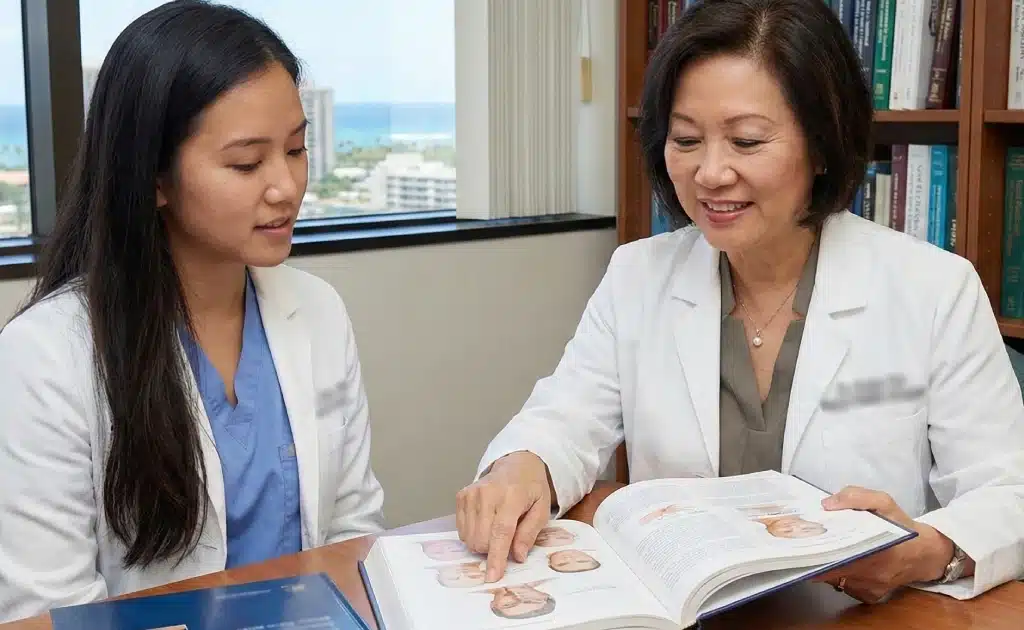
Given the increased interest in, and success of, women as facial plastic surgeons, we can expect the profession to continue become more inclusive.
- Recruitment Practices: Hospitals and clinics are actively recruiting female plastic surgeons and monitoring hiring balance.
- Mentorship Opportunities: There are more mentorship and professional support networks for women entering surgical specialties.
- Patient Education: Practices are educating women about their options and the importance of a good surgeon-patient fit.
- Media Representation: Female surgeons are increasingly featured in the media, breaking down stereotypes and inspiring the next generation.

Trending Now: Female Facial Plastic Surgeons
As the techniques and methods of facial plastic surgery evolve, the growing presence of female surgeons will be influential – and in many cases, women will increasingly move into leadership roles.
The evolution of the profession mirrors broader societal trends reflecting a desire for representation, visibility, and collaborative care. Whether you’re a woman considering a plastic surgery procedure or simply interested in the direction of the medical field, you have a stake in the outcomes.
It’s clear that women are reshaping the future of facial aesthetics—as practitioners, patients, and pioneers.
Frequently Asked Questions
Q.1 Are female facial plastic surgeons as experienced as male surgeons?
A.1 Yes. Board-certified female facial plastic surgeons undergo training side-by-side with their male counterparts. Many have advanced credentials and specialized expertise, such as Dr. Tan’s double broad certification.
Q.2. Is it easier for women to talk to a female surgeon about body image concerns?
A.2. Many patients say yes. Female surgeons may have personal insight into the societal pressures women face and approach consultations with greater sensitivity.
Q.3. Does choosing a female surgeon guarantee better results?
A.3. The quality of your results depends on the individual surgeon’s skill, experience, aesthetic sense, and your communication together. Gender is only one factor in your decision; always research credentials and patient reviews.
Q.4. How can I find a female facial plastic surgeon?
A.4. Many professional organizations, such as the American Academy of Facial Plastic and Reconstructive Surgery (AAFPRS), have searchable databases. You can check for board certification, experience with procedures like yours, and testimonials from other patients.
